
Masonry Contractor in Lancaster, PA
We’re a regional masonry crew based in York that works in Lancaster regularly. Repointing on historic brick, HARB-compliant exterior work, retaining walls, patios, and full restoration. We know how Lancaster’s historic district rules work, so your project gets done right and stays compliant.
15+
Years in the trade
HARB
Historic district familiar
5★
Google reviews
Free
On-site estimates
Lancaster PA
Lancaster has rules. We know how they work.
The City of Lancaster is one of the oldest inland cities in America, and it shows. Brick rowhomes from the 1700s and 1800s line the downtown streets. Federal-style and Victorian facades sit shoulder to shoulder along Duke, Queen, Lime, and the side streets running east and west. Most of the historic core sits inside Lancaster’s Historic District, which means almost any exterior masonry work, repointing, brick replacement, chimney work, even some types of repair, requires a Certificate of Appropriateness from the Historical Architectural Review Board (HARB).
A lot of contractors don’t know this, or they don’t want to deal with the process. That is how homeowners end up with stop-work orders and fines. We’ve worked through Lancaster’s Bureau of Building Code Administration and we know what HARB looks at: mortar color and texture, joint profile, brick matching, hardware visibility from the street. We design the work to pass review and we pull the right paperwork as part of the job.
Outside the historic district, the same rules apply that govern any Lancaster property: building permits for structural work, zoning permits for many surface projects, third-party inspectors for most commercial. We handle all of it. If you’re looking at brick that needs attention, a chimney that’s seen better days, or a project anywhere in the city, send us a photo and we’ll give you a straight read on what it needs.
What We Do in Lancaster
Every masonry service, one crew, one call
Here is what we do. Each one links to a full page with details, process, and pricing information.
Retaining Walls
Stone, block, or brick. Footings below frost, real drainage, geogrid where needed. Most retaining wall work in Lancaster is in the residential neighborhoods outside the historic core, but if your wall is in the historic district, it’s HARB territory and we handle that too.
Retaining wall detailsPaver Patio Installation
Concrete pavers, flagstone, or clay brick. Built on a compacted base that actually holds its shape through Pennsylvania winters. The patio that is still flat in twenty years.
Patio installation detailsHistorical Restoration
This is the work Lancaster needs most. The historic district is full of soft pre-1900 brick that requires lime-based mortar, custom-mixed to match the original color and joint profile. We do this work to HARB standards, and we know how to navigate the Certificate of Appropriateness process for exterior repointing.
Historical restoration detailsBlock & Brick Wall Installation
New garden walls, privacy walls, foundation walls, mailbox pillars. Block, brick, or block core with brick veneer. Built with proper footings and clean joints.
Wall installation detailsMasonry Sealing
Brick, stone, pavers, and concrete. Penetrating sealers that stop water before it freezes and spalls. The cheapest insurance your masonry can have.
Sealing detailsHardscaping
Patios, walkways, stone steps, fire pits, seating walls, and everything else permanent in the yard. Doing it together costs less than doing it in pieces.
Hardscaping details
Why Lancaster Homes Need Masonry Care
300 years of brick, a strict review board, and a lot at stake
Lancaster has some of the oldest residential brick in Pennsylvania. Houses from the 1700s and 1800s are not rare here, they are the rule downtown. That brick was made locally, often by hand, and bedded in lime mortar that was meant to be soft, breathable, and replaced periodically. After 200+ years, those joints need attention. The mistake we see constantly: contractors who repoint historic Lancaster brick with modern portland cement mortar. The brick face spalls, the wall traps moisture, and an irreplaceable historic facade gets ruined in a single bad repair job.
The Historical Architectural Review Board (HARB) exists to prevent that. If your property is in the Historic District (most of downtown), or in the Heritage Conservation District, exterior masonry work requires a Certificate of Appropriateness before the building permit is issued. HARB looks at mortar color, joint profile, brick matching, even hardware that’s visible from the street. Skipping the process or using the wrong materials means stop-work orders, fines, and rework. We’ve been through HARB submittals enough to know what they’re looking for and how to design the work so it passes review the first time.
Outside the historic district, Lancaster has its mix of newer neighborhoods, suburbs, and townships, with the typical York-County-style problems: settling patios, retaining walls in sloped backyards, chimneys due for their first crown replacement. We work across all of it.
Most of the bad masonry repairs we see in Lancaster were done by contractors who didn’t know HARB existed, or didn’t want to deal with it. The brick paid the price.
LBE Masonry Crew
What Our Customers Say
Real reviews from real homeowners
Recent Work
Projects from Lancaster and York County
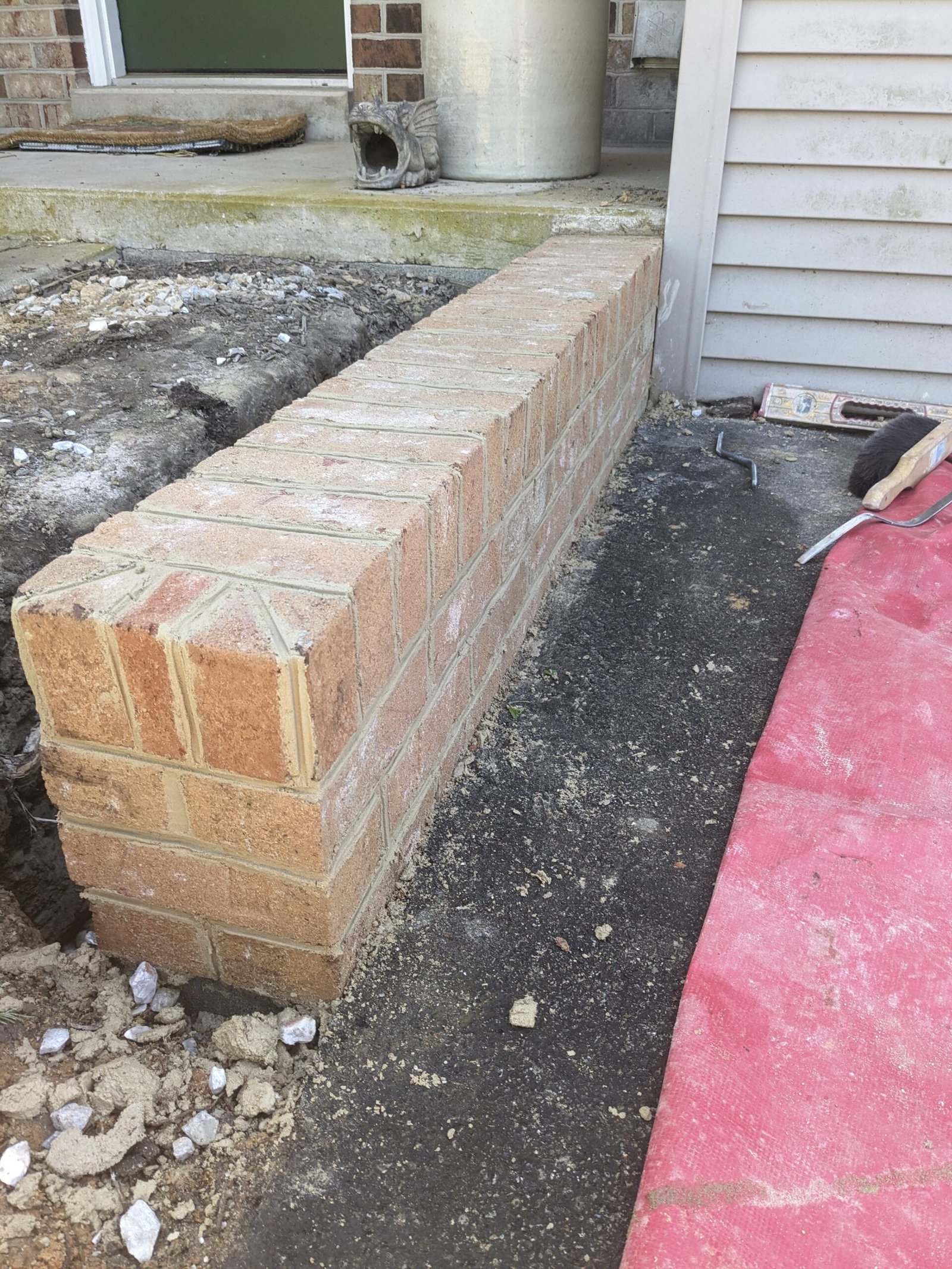
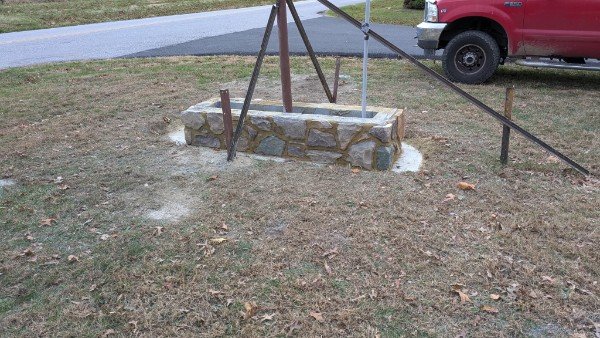
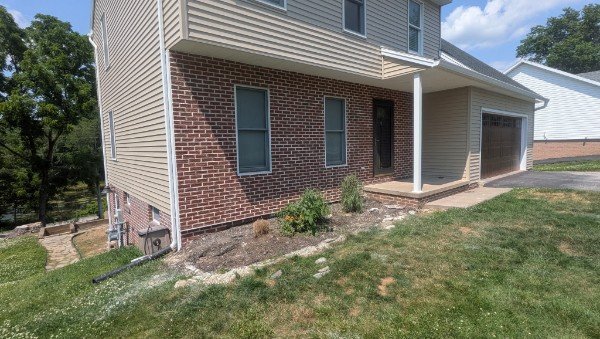
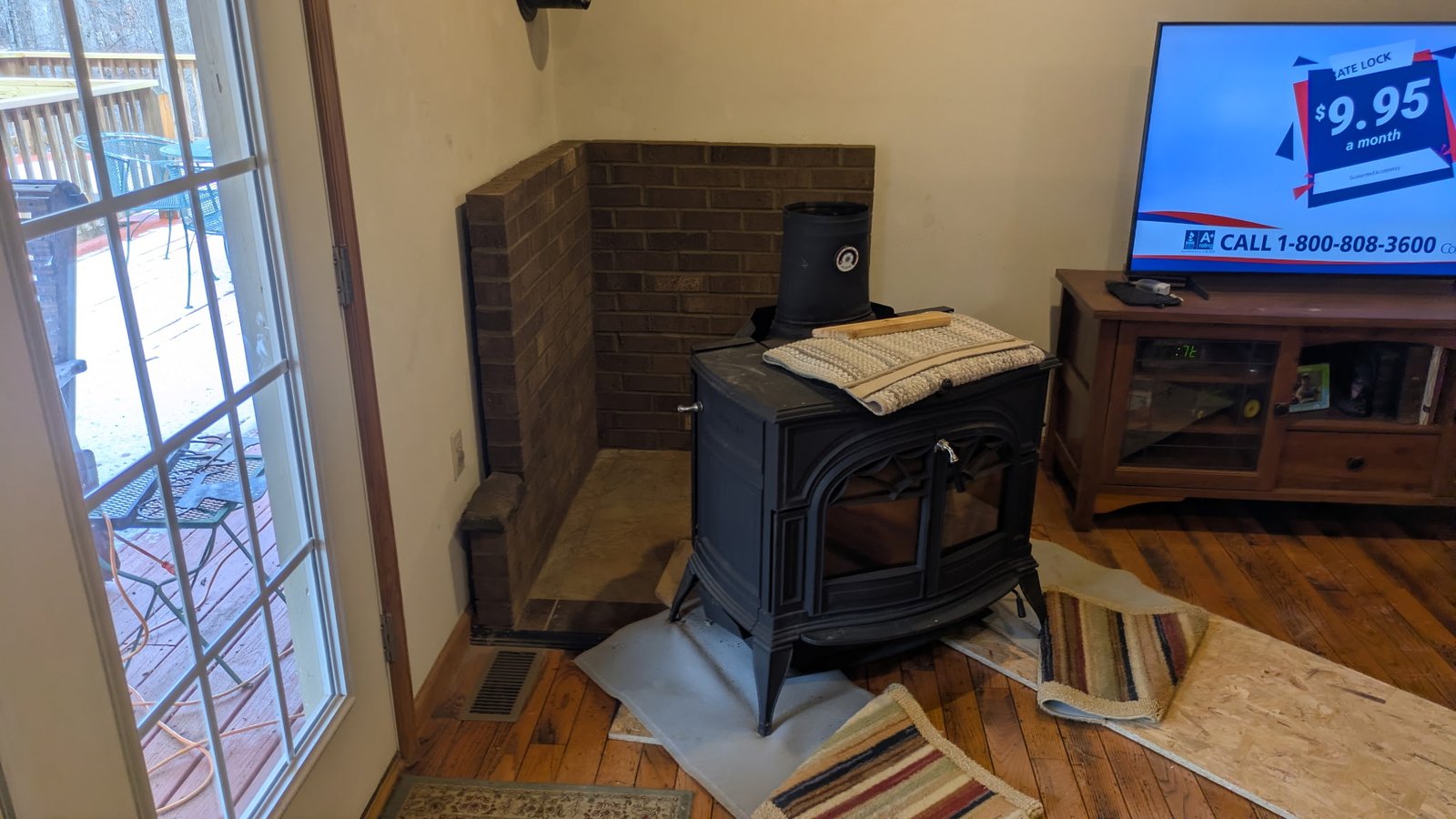
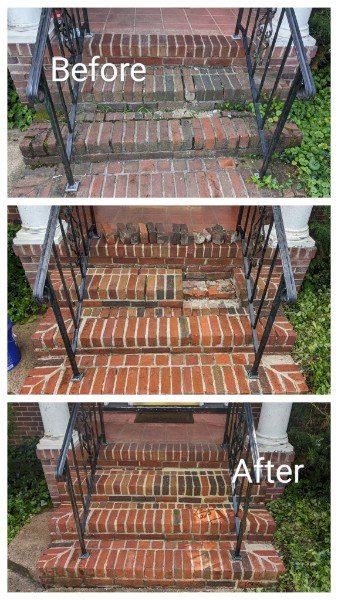
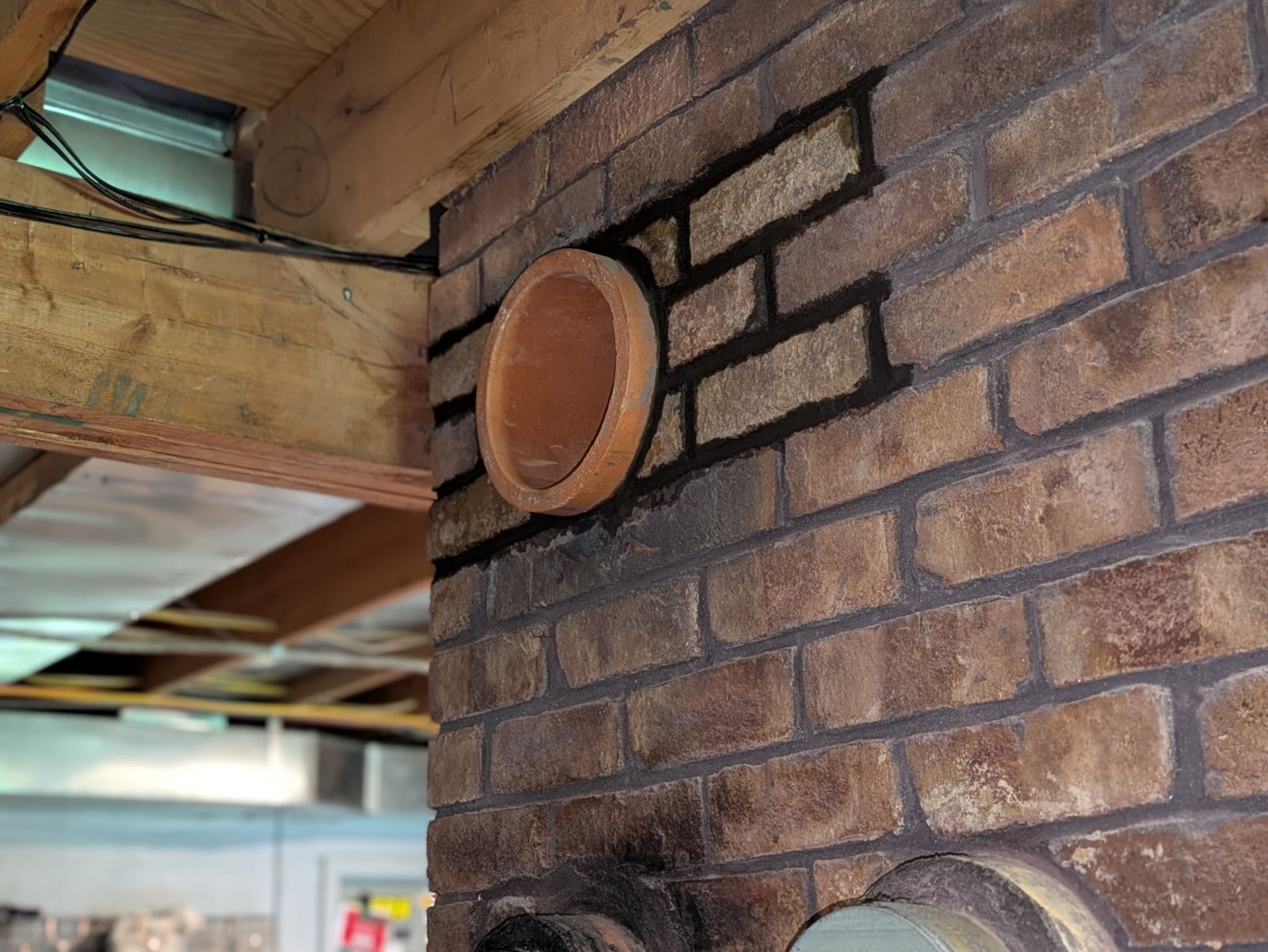
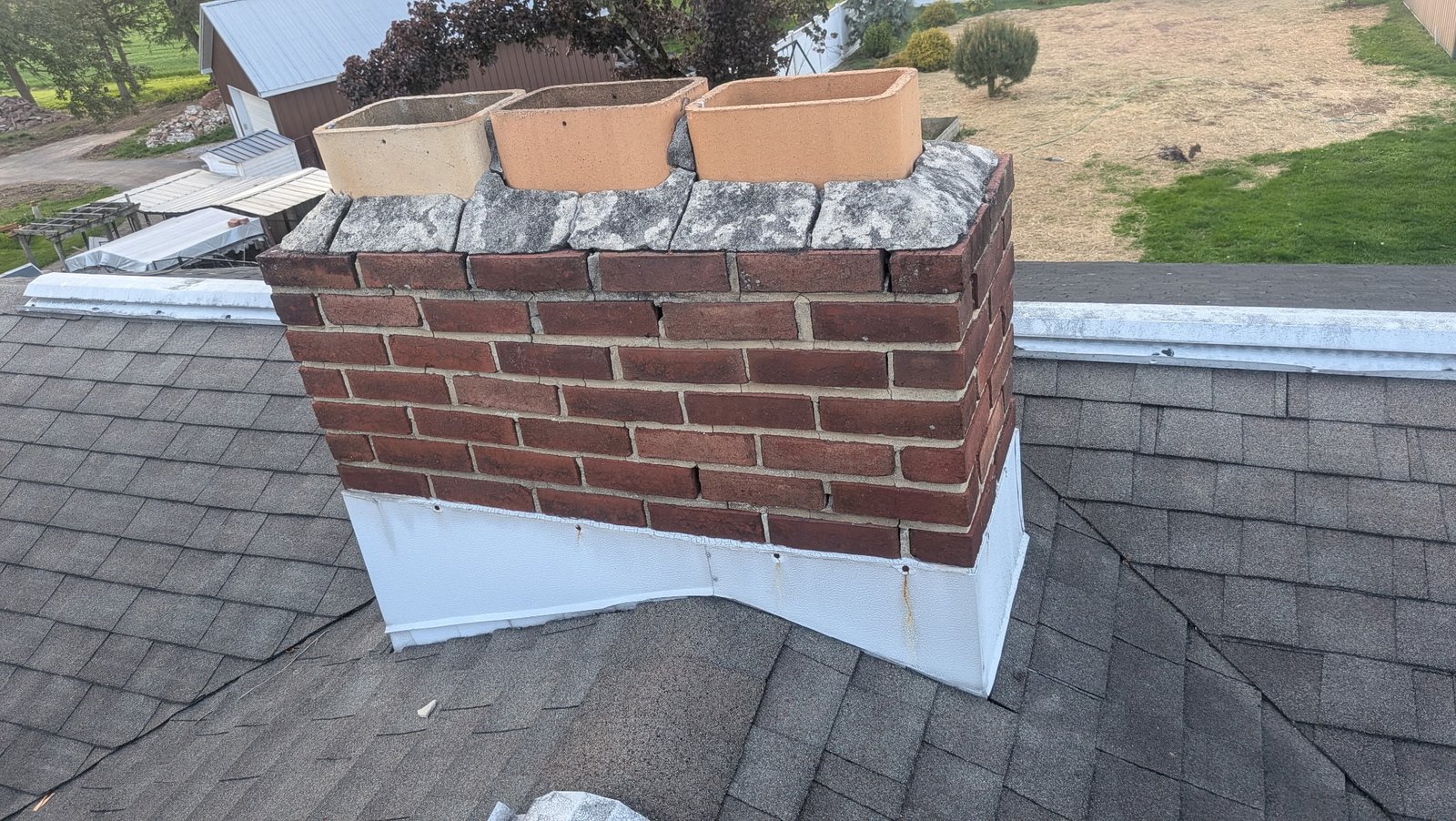
Click any project to see the full write-up with photos, materials, and process details.
Helpful Guides for Lancaster Homeowners
How Much Does a Retaining Wall Cost in York PA? · How to Choose Paver Colors and Patterns for Your Backyard
Lancaster FAQ
What Lancaster homeowners ask us
Yes, we work in Lancaster regularly. It’s about 45 minutes from our base in York, but Lancaster is solidly in our regional service area. We don’t charge a trip fee. If you’re in the City of Lancaster, Lancaster Township, Manheim Township, East Hempfield, or any of the surrounding municipalities (Strasburg, Columbia, Mountville, Lititz, Millersville), we’ll come out for a free estimate.
If your property is in Lancaster’s Historic District or Heritage Conservation District, almost any visible exterior work needs a Certificate of Appropriateness from HARB before a building permit can be issued. That includes repointing, brick replacement, chimney rebuilds, anything that affects the look of the building from a public street. HARB meetings are held monthly. The applicant has to post a placard on the property at least 10 days before the meeting. Outside the historic districts, regular building and zoning permits go through the City’s Bureau of Building Code Administration at 120 N. Duke Street. Many commercial projects also use approved third-party code agencies for inspections. We handle the whole process: figuring out what your property requires, preparing the HARB submittal, and pulling the right permits.
Often yes, but it depends on the age. For brick from the late 1800s and early 1900s, we typically find good matches through local salvage suppliers and specialty brick sources. For 18th century brick (yes, it exists in Lancaster), exact matches are harder — those bricks were hand-made, irregular, and unique to their kiln. In those cases we often turn the existing brick (rotating to a sound face) or use carefully selected reclaimed brick from similar-era buildings. Either way, for HARB review the match has to be approved before installation, so we present the options before we start.
Same as the rest of York County. Repointing runs $10 to $25 per square foot. Paver patios run $14 to $22 per square foot. Retaining walls run $40 to $80 per square foot of wall face. Sealing runs $1.50 to $4 per square foot. We give written, itemized estimates after seeing the site. Each of our service pages has more detailed pricing information.
Typical lead time is 2 to 6 weeks depending on the season and the size of the job. Spring and early summer book up fastest. Small jobs like sealing or minor repointing can sometimes be scheduled within a week or two. For larger projects, the sooner you start the conversation, the better your spot on the schedule.
Need Masonry Work in Lancaster?
Send us a photo and a few sentences about what is going on. We will give you a straight answer about what it needs, what your options are, and what it is going to cost.
Get a Free Estimate