
Masonry Sealing in York PA
Sealing is the step most people skip and later regret. Water gets into masonry, freezes, and breaks things apart. We seal brick, stone, pavers, and block walls across York PA and the surrounding area to protect your investment before it needs expensive repairs.
3-5 yr
Typical seal lifespan
$$$
Saved in future repairs
PA-Rated
Freeze-thaw protection
Free
On-site estimates
Why Seal
Water is patient. It will find a way in.
Brick, stone, and concrete are all porous. Water soaks in, sits there, and when the temperature drops below freezing, it expands. That expansion cracks mortar joints, pops the faces off bricks, and breaks down concrete surfaces one winter at a time. In York County, we get dozens of freeze-thaw cycles every year. Each one does a little more damage.
Sealing does one simple thing: it stops water from getting in while still letting moisture vapor escape from inside. That means the masonry can breathe normally (which it needs to do), but liquid water runs off the surface instead of soaking in. The result is a wall, chimney, patio, or foundation that handles Pennsylvania winters without deteriorating.
It is not glamorous work. Nobody is going to come over and compliment your freshly sealed chimney. But the homeowner who sealed their brick five years ago is not the one calling us for a rebuild right now. The one who skipped it usually is.
When to Call Us
Signs your masonry needs sealing
If you are seeing any of these, the conversation should happen before next winter, not after.
White chalky stains on the surface
Efflorescence. Those white deposits are mineral salts left behind when water moves through masonry and evaporates on the surface. It means water is traveling through the wall. Sealing stops that.
Brick faces flaking or popping off
Spalling. Once the face of a brick starts to pop, that brick is done. Sealing the surrounding area prevents the same thing from happening to the bricks that are still intact.
Dark wet patches that take days to dry
If a wall stays damp for days after a rain while similar walls dry in hours, the surface has lost its water resistance. A penetrating sealer restores it.
Mortar joints wearing away faster than expected
Mortar that deteriorates quickly between repointing jobs is usually absorbing too much water. Sealing slows the wear and extends the life of the mortar between repairs.
What We Seal


Every masonry surface that faces weather
If it is made of brick, stone, block, or concrete and it is outside, it can benefit from sealing. Here is what we work on most often.
Most common
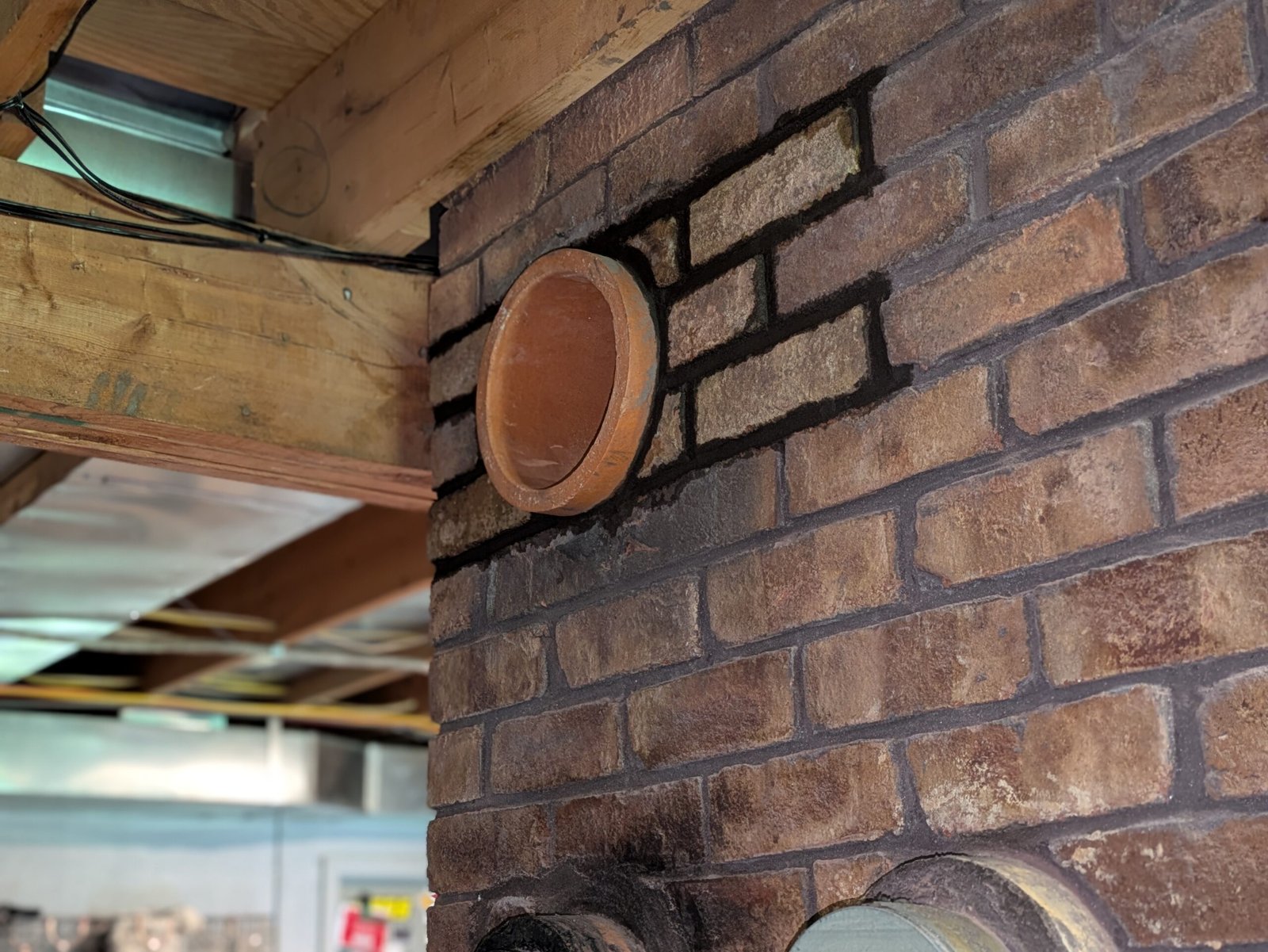
Brick Walls & Chimneys
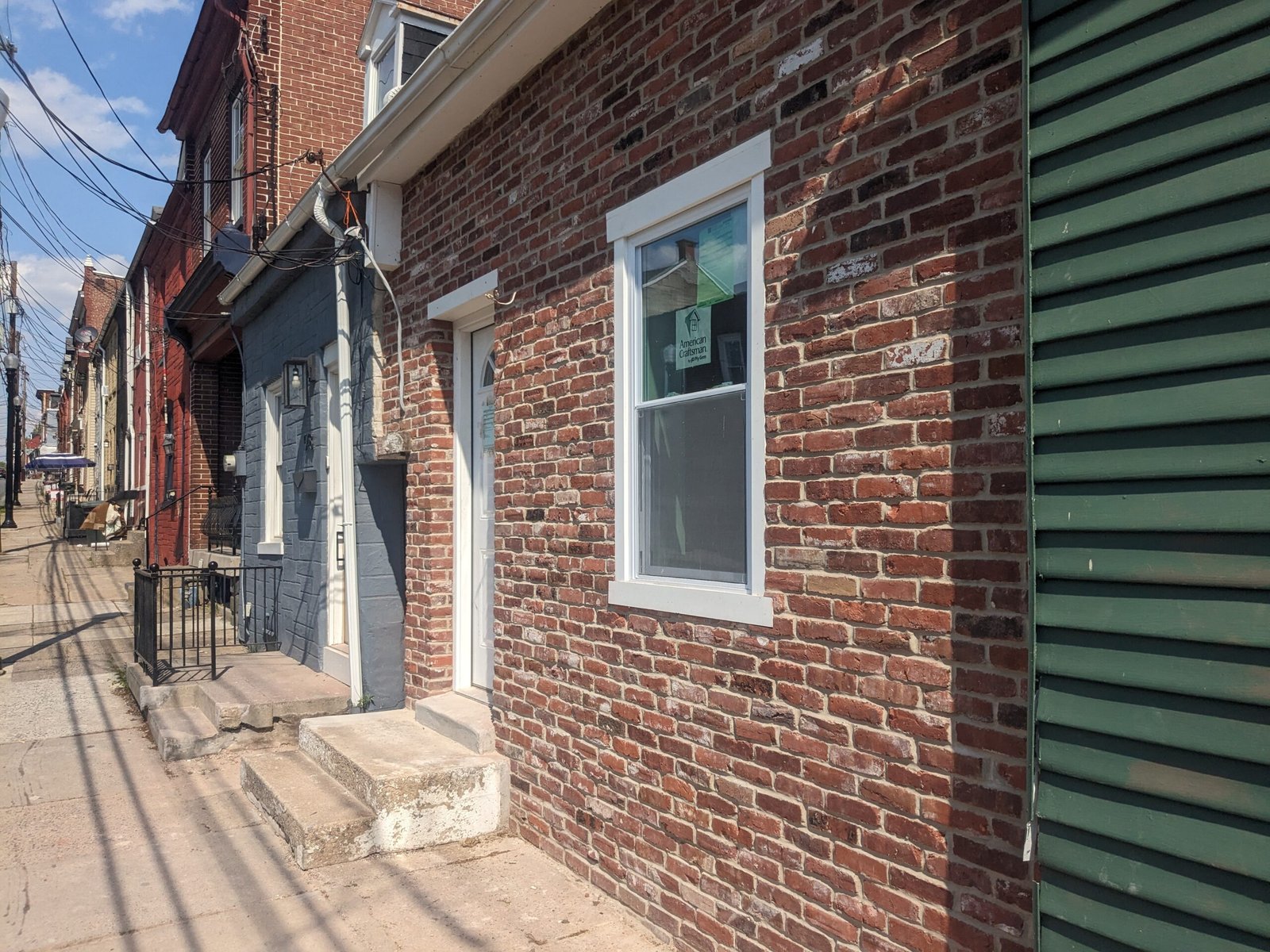
Exterior brick walls, chimney stacks, and foundation faces. We use breathable siloxane-based penetrating sealers that repel water without trapping moisture inside the wall. Film-forming sealers that sit on the surface cause more problems than they solve on brick.
Natural stone
Stone Walls & Veneer
Natural stone retaining walls, veneer facades, garden walls, and stone steps. Stone is porous. Some types absorb water faster than brick. A penetrating sealer cuts water absorption by 90% or more without changing the look or feel of the stone.
Patios & driveways
Pavers & Concrete
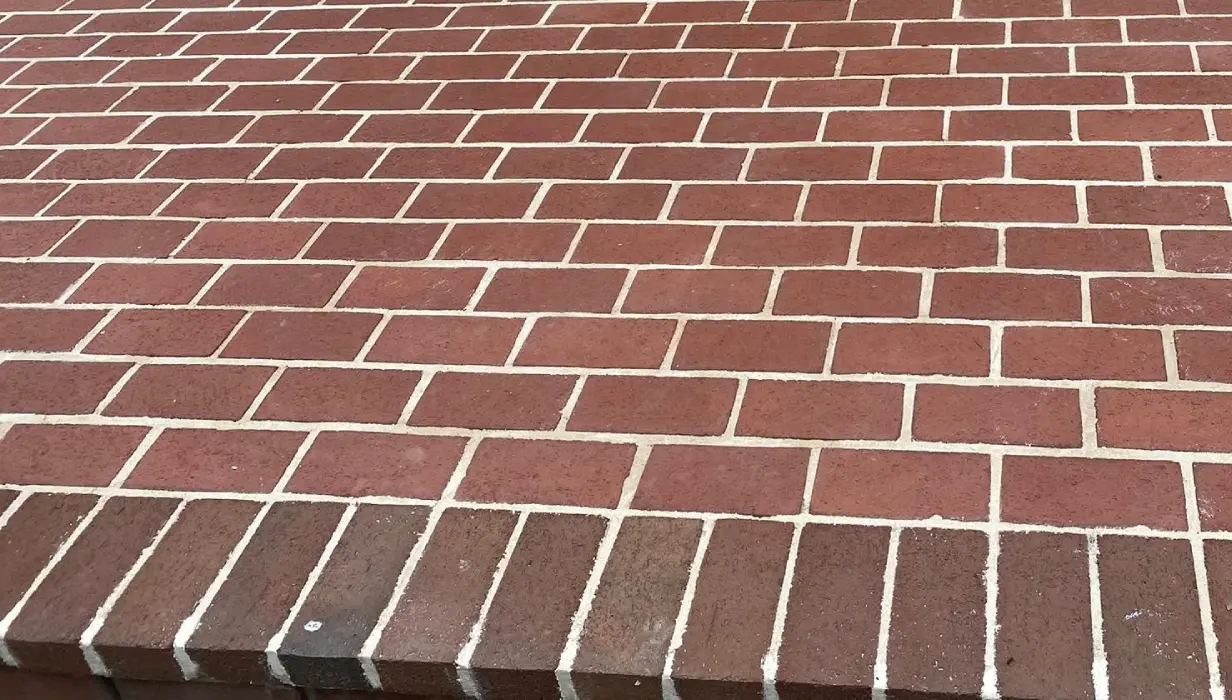
Paver patios, concrete driveways, sidewalks, and garage floors. Sealing pavers protects the color, reduces staining from food and grease, and extends the life of the polymeric sand in the joints. On concrete, it prevents surface scaling from road salt and freeze-thaw.
How We Seal
Simple process, big difference
Sealing is not complicated, but it has to be done right. The wrong product, the wrong conditions, or dirty surfaces all lead to failed sealer jobs.
01
Surface cleaning
Dirt, algae, efflorescence, and loose material all need to come off first. Sealer applied over dirt seals the dirt in, not the water out. We clean by hand, with low-pressure wash, or with appropriate masonry cleaners depending on the surface.
02
Repair first, then seal
If there are cracked joints, spalled bricks, or missing mortar, we fix those before sealing. Sealer cannot repair damage that already exists. It prevents future damage. We repoint, patch, or replace whatever needs it first.
03
Dry surface, right weather
The surface needs to be fully dry. We wait at least 48 hours after rain. Air temperature needs to be above 40°F with no rain in the forecast for 24 hours after application. We schedule around the weather, not around our convenience.
04
Application in two coats
We apply the sealer in two passes using a low-pressure sprayer, with the second coat going on wet-on-wet while the first is still damp. This gives full penetration into the pores of the masonry. One thin coat is not enough. Two heavy coats with runs are too much.
Every chimney rebuild we have ever done could have been prevented by repointing and sealing ten years earlier. Sealing is the cheapest insurance your masonry can have.
LBE Masonry Crew
The Right Product
Not all sealers are the same. Most of them are wrong for your wall.
Walk into any home improvement store and you will find a dozen masonry sealers. Most of them are film-forming products that sit on the surface like paint. These are fine for garage floors and some concrete applications, but they are wrong for exterior brick and stone. Here is why.
Masonry walls need to breathe. Moisture inside the wall (from humidity, ground contact, interior use) needs to be able to evaporate outward. A film-forming sealer traps that moisture inside. In winter, the trapped moisture freezes and destroys the brick from the inside out. You sealed the wall to protect it and the sealer caused the very damage you were trying to prevent.
We use penetrating siloxane and silane-based sealers. These soak into the masonry and line the pores without blocking them. Liquid water cannot get in but water vapor can still get out. The surface looks and feels the same. No sheen, no film, no change in appearance. Just protection that works for 3 to 7 years depending on exposure and the product.
For paver patios, we use products designed for pavers specifically, which also stabilize the polymeric sand in the joints and can enhance the color if you want that (or leave it natural if you do not). Different surface, different product, same principle: use the right tool for the job.
Where We Work
Masonry sealing across York County and Adams County PA
Sealing is a quick job compared to most masonry work. We can often schedule it within a week or two, and most residential sealing jobs are done in a day.
York
Hanover
Shrewsbury
Glen Rock
Spring Grove
New Freedom
Stewartstown
Red Lion
Dallastown
Dover
Wrightsville
Carroll Valley
Fairfield
Gettysburg
Common Questions
What homeowners ask about masonry sealing
For most residential jobs (chimney, one exterior wall, or a patio), sealing runs $1.50 to $4.00 per square foot including surface cleaning and product. A full house exterior can range from $1,500 to $4,000 depending on the size and condition. Compare that to the cost of repointing ($10 to $25/sqft) or a chimney rebuild ($5,000+), and the math is pretty clear.
Every 3 to 7 years for most exterior masonry in Pennsylvania. Chimneys and south-facing walls weather faster and may need resealing closer to every 3 years. Sheltered walls can go longer. We can do a water absorption test on the surface to tell you if it is time.
Penetrating sealers leave no visible film and do not change the color or texture. The surface looks and feels exactly the same. For paver patios, you can choose an enhancing sealer that deepens the color and adds a slight sheen, or a natural-look sealer that changes nothing visually. We show you both options.
Repoint first, then seal. Sealer cannot bridge a missing mortar joint or fill a crack. Water will still get in through those openings. We always assess the mortar condition before recommending sealing and include any necessary repairs in the estimate. Sometimes the repointing is a bigger job than the sealing, and that is fine. Get the wall right, then protect it.
We recommend waiting one to two years after installation, then sealing. New pavers need time to off-gas and for any efflorescence to work its way out. Sealing too early can trap that haze under the surface. After a year or two, a good paver sealer protects the color, reduces staining, and locks the polymeric sand in the joints.
Late spring through early fall. The surface needs to be dry and the temperature needs to stay above 40°F for at least 24 hours after application. Early fall is actually ideal because the surface has been drying all summer and you get protection before winter hits. We do not seal in freezing weather or when rain is expected within 24 hours.
Cheaper to Seal Now Than to Rebuild Later
Send us a photo of the surface you want protected. We will tell you whether it needs sealing, whether it needs repair first, and what it is going to cost. No pressure.
Get a Free Estimate