
Historical Masonry Restoration in York County PA
Old houses need a mason who actually understands old materials. We specialize in historical brick and stone restoration for pre-1950 homes across York and Adams County. Lime mortar, hand-matched joints, period-correct work that respects what was there before.
Pre-1950
Homes our specialty
Lime
Mortar, period-correct
Hand
Matched joints
Free
On-site estimates
Why It Matters
An old house is not a new house. The mortar tells the difference.
Most masonry contractors will quote your historic home the same way they quote a 1990s subdivision. Standard portland cement mortar, modern technique, done in a week. The work looks fine for one season. Then the bricks start to spall, the mortar cracks at the edges, and the wall starts losing material faster than it ever did before the repair.
Pre-1900 brick is soft. Pre-1950 brick is harder but still softer than modern brick. The lime mortar these homes were built with was designed to be the sacrificial layer, the part that gives a little when the wall expands and contracts. Replace that lime mortar with hard portland cement and the brick becomes the sacrificial layer instead. We have rebuilt walls that previous contractors destroyed by repointing with the wrong mortar. It is not cheap to undo.
If your home was built before 1950, you need a mason who knows the difference. We do this work properly. Lime-based mortars, hand-matched to your existing color and joint profile, applied with period-appropriate technique that lets the wall continue doing what it has done for the last hundred years.
When to Call Us
Signs your historic masonry needs attention
Old buildings give you plenty of warning before something fails. The trick is knowing what you are looking at. Here are the signals worth taking seriously.
Mortar that crumbles to the touch
If you can scrape mortar out of the joints with a screwdriver or it sheds sand when you brush it, the mortar has reached the end of its life. Repointing is the fix. Waiting is not.
Brick faces popping off
Spalling, when the face of a brick flakes or pops off, almost always means moisture got into the brick and froze. Often caused by the wrong mortar trapping water inside the wall.
Bright white mortar against old brick
If a previous repair stands out from the rest of the wall, that is a contractor who did not match the mortar. Cosmetic problem at best, structural problem at worst.
Hairline cracks following the joints
Cracks running along the mortar lines, especially in stair-step patterns, mean the wall is moving. Could be settlement, could be moisture, could be foundation. Worth looking at.
Water stains inside on exterior walls
Damp patches, peeling paint, or efflorescence on interior walls usually means water is coming through failed mortar joints from the outside.
A previous repair that is failing
If someone repointed your house ten years ago with portland cement and the brick is now in worse shape than before, you are not imagining it. We can usually fix it.
What We Do


Three things old houses need, done the right way
Most historic masonry work falls into one of three buckets. We handle all of them, and we handle them with materials and methods that are appropriate to the era of your home.
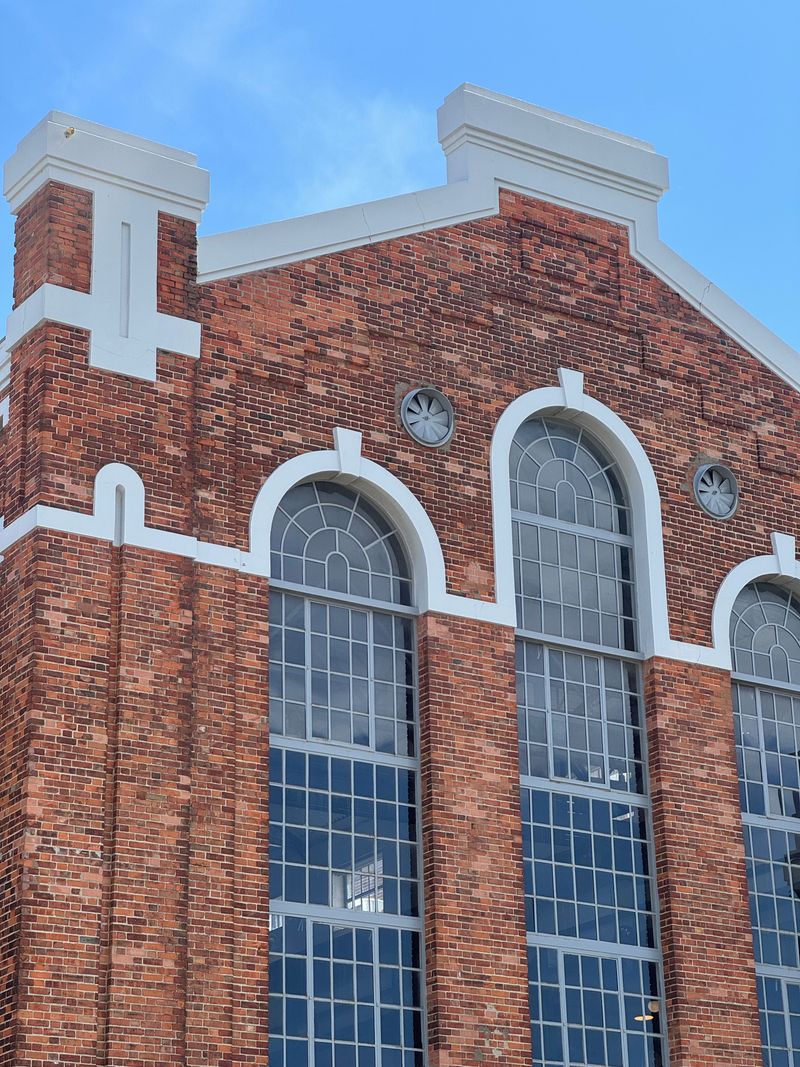
Most common job
Repointing & Tuckpointing
Grinding out failed mortar joints by hand and packing in new mortar that matches the color, texture, and composition of the original. We use lime-based mortars on pre-1900 work and softer Type O on early 20th century homes. Joints are tooled to match the original profile, not whatever the trowel happens to leave behind.
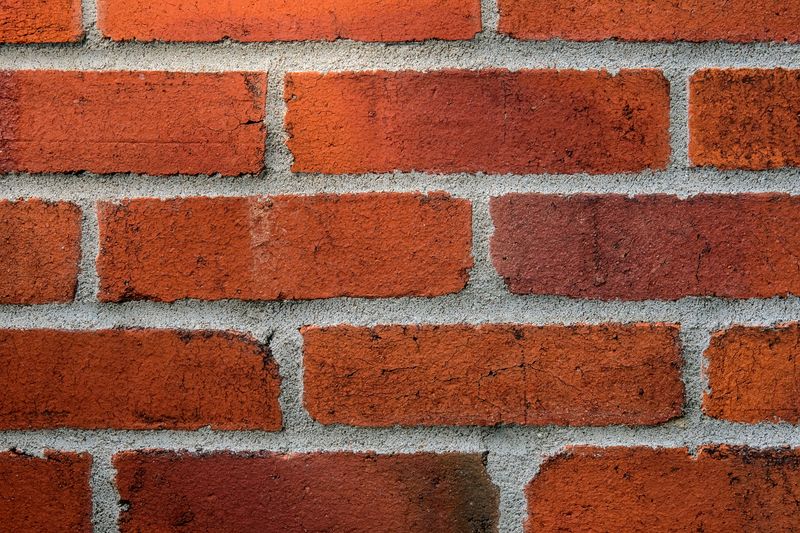
When brick is too far gone
Brick & Stone Replacement
When individual bricks or stones are beyond saving, we source replacements that match the original. Salvaged historic brick when we can find it, hand-selected new units when we cannot. We carefully remove the failed material without damaging surrounding bricks, set the replacement, and finish the joints so the repair disappears into the wall.
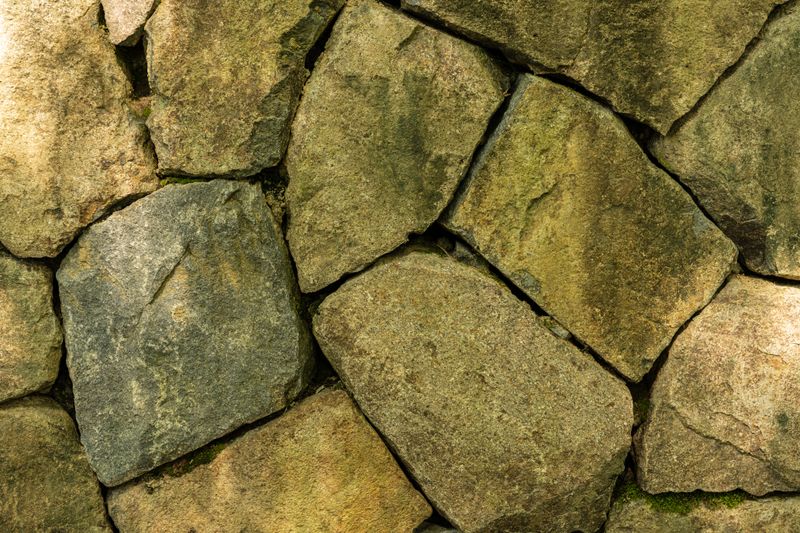
The part nobody sees
Stone Foundation Restoration
Many pre-1900 York County homes sit on stone foundations that have not been touched in a century. We repoint the joints, replace failing stones, and parge where appropriate. All with breathable lime-based materials that let the foundation continue to manage moisture the way it was designed to.
How We Work
The process for getting historic restoration right
Restoration is more careful than new construction. Each step matters because the wall has to last another hundred years, not another ten.
01
Site assessment & mortar analysis
We take a small sample of your existing mortar to determine its composition. This tells us the original lime-to-sand ratio, the type of sand used, and the color. Without this, you are guessing.
02
Mortar matching & test panel
We mix a custom mortar to match your original. On significant projects we put up a small test panel so you can see the match cured before we do the whole wall. Color shifts as it dries. Better to see it now.
03
Joint removal by hand
We remove old mortar by hand using chisels and small hammers. No power grinders on historic brick. A grinder slips for one second and you have damaged bricks that cannot be replaced.
04
Joint preparation
Old mortar gets removed to a depth of at least twice the joint width. Joints are cleaned, dust blown out, and dampened so the new mortar bonds properly. Skip this and the new mortar just falls out next year.
05
Repointing in lifts
Mortar is packed into the joint in multiple thin lifts, each one tamped firm before the next. Single-pass filling leaves voids. Voids let water in. Water freezes. The wall fails again.
06
Tooling & curing
Joints are tooled to match the original profile while the mortar is at the right firmness. Then we cover the work, mist it for several days, and let lime mortar cure slowly. Lime mortar that cures too fast cracks. We do not let it.
The biggest mistake in historic restoration is treating the wall like it is broken. It is not broken. It just needs the same care it was built with.
LBE Masonry Crew
The Mortar Question
Lime mortar vs portland cement: why it matters for your house
This is the single most important decision in any historic masonry repair. The wrong choice can destroy a wall that has stood for 150 years. Here is the short version.
Modern portland cement mortar is hard, strong, and waterproof. Those are good qualities for new brick walls built with hard modern brick. They are bad qualities for old brick walls. Old brick is soft and porous. It expects the mortar around it to be softer, to flex when the wall moves, and to allow water to evaporate out through the joints rather than trapping it inside the brick.
When you put hard portland cement mortar between soft old bricks, two things happen. First, the wall cannot move. So when the brick expands or contracts with weather, the brick face cracks instead of the joint. Second, water that gets into the wall cannot escape through the joints, so it freezes inside the brick. The face of the brick pops off. We see this all over York County. It is almost always the result of someone repointing with the wrong mortar.
Lime mortar, or a lime-rich mix like Type O, does the opposite. It is soft enough to flex with the wall. It is permeable enough to let moisture move through it. It is the sacrificial layer. When the wall has a problem, the mortar wears out, not the brick. That is why these houses have lasted as long as they have. Our job is to keep that system working.
If your house was built before 1900, lime mortar is almost always the right answer. Built between 1900 and 1950, it depends. We test the original mortar, we look at the brick hardness, and we make a recommendation based on what we find. Not based on what is easiest or fastest.
Where We Work
Historic restoration across York County and Adams County PA
We work on historic homes throughout the region. York City has hundreds of pre-1900 brick rowhomes. Hanover, Gettysburg, Wrightsville, and the smaller boroughs are full of farmhouses, churches, and barns from the same era. If your home is old and you want it cared for properly, we can help.
York
Hanover
Gettysburg
Wrightsville
Spring Grove
Glen Rock
Shrewsbury
New Freedom
Stewartstown
Red Lion
Dover
Carroll Valley
Fairfield
Littlestown
Common Questions
What homeowners ask before they hire us
The general rule: if your house was built before 1900, it almost certainly used lime mortar originally and should be repaired with lime mortar. Built between 1900 and 1930, it is a judgment call based on the brick and the existing mortar. Built after 1950, modern Type N or S is usually fine. We test the original mortar before recommending anything. If a contractor offers to repoint your historic home without asking what era it is from, find a different contractor.
Historic repointing typically runs $10 to $25 per square foot of wall area, depending on the height, the condition, and the difficulty of the mortar match. Full house repointing on a 2,500 square foot home can range from $8,000 to $30,000. Lime mortar work is more labor-intensive than modern mortar work, so it costs more. It also lasts longer when done correctly. We give itemized estimates after seeing the property.
Sometimes. If portland cement was used on soft old brick and the brick has not yet started spalling badly, we can remove the bad mortar and repoint correctly. If the brick faces have already popped off, those bricks need to be replaced or turned. Either way, fixing it now is much cheaper than waiting for more brick to fail.
All of the above. Historic chimneys, stone foundations, brick walls, garden walls, exterior steps, and stoops. The principles are the same across all of them: match the original materials, use the original techniques, do the work in a way that respects how the building was put together.
It depends where your house is. If you are in a designated historic district (parts of York City, Gettysburg, and other boroughs have them), exterior work usually requires approval from the local historic architectural review board. We have worked through that process with homeowners before and can help you understand what is required. For most of York County, no special approval is needed for repointing or repair work, just standard township permits if applicable.
Properly applied lime mortar on a historic wall can last 80 to 100 years. Portland cement mortar on a modern wall lasts 50 to 75 years. The catch: portland cement on a historic wall often fails in 10 to 20 years because the wall and the mortar are fighting each other. Right material on the right wall is what determines longevity, not which material is “stronger.”
Lime mortar needs warm weather to cure properly. Spring through early fall is the working window in Pennsylvania. We need consistent temperatures above 40°F day and night for at least a week after application. We do not work historic mortar in freezing weather, no matter how much someone wants the job done. The mortar will fail and the work will need to be redone.
Got an Old House That Deserves Better Than the Standard Repair?
Send us a few photos of the wall, chimney, or foundation that needs work. Tell us roughly when the house was built. We will give you a straight answer about what it needs and how it should be done.
Get a Free Estimate