
Retaining Walls in York PA Built to Hold Their Ground
If your yard is slowly losing the battle with gravity, a good retaining wall is what fixes it. We build stone, block, and brick walls across York County and Adams County. Proper footings, real drainage, and the kind of work that still looks right ten winters from now.
15+
Years building walls
2
Counties served
PA-Rated
Freeze-thaw drainage
Free
On-site estimates
What We Do
Walls that solve a real problem, not just sit there looking pretty
A retaining wall isn’t decoration. It’s a piece of structural masonry holding back tons of soil, redirecting water, and stopping the slow slide of your yard toward the neighbor’s property. When it’s built right, you stop thinking about it. When it’s built wrong, you watch it bow, crack, and lean a little more every spring.
LBE Masonry builds retaining walls across York County and Adams County, Pennsylvania. Stone, block, brick, whichever fits the site, the soil, and what you want to spend. We size the footing for the load, set the base below frost, run the drainage where it actually has somewhere to go, and finish the wall so it looks like part of the property instead of an afterthought bolted onto it.
When to Call Us
Signs your yard needs a retaining wall
Not every slope needs one. Some yards drain and hold themselves just fine. But if you’re seeing any of these, it’s worth having the conversation now rather than next year. Soil problems get more expensive every season you wait.
Erosion after every storm
Mulch, soil, or stone washing into the driveway or onto the patio means water is moving where it shouldn’t. A wall plus drainage stops the bleeding.
A slope you can’t mow safely
If a section of the yard is too steep to walk across or run a mower over, a terraced wall turns wasted hillside into ground you can actually use.
Bare roots on mature trees
Exposed root flares usually mean soil has migrated downhill over the years. A wall stabilizes what’s left and gives you a planting bed to work with.
An old wall that’s leaning
Walls bow out when the drainage failed or the footing was skipped. We can usually tell within a few minutes whether it’s worth saving or time to replace.
Wall Types


Stone, block, or brick. What fits your property.
We work with all three. The right choice depends on the height of the wall, the soil conditions, the look of the rest of your property, and what you want to spend. Here’s the honest breakdown.
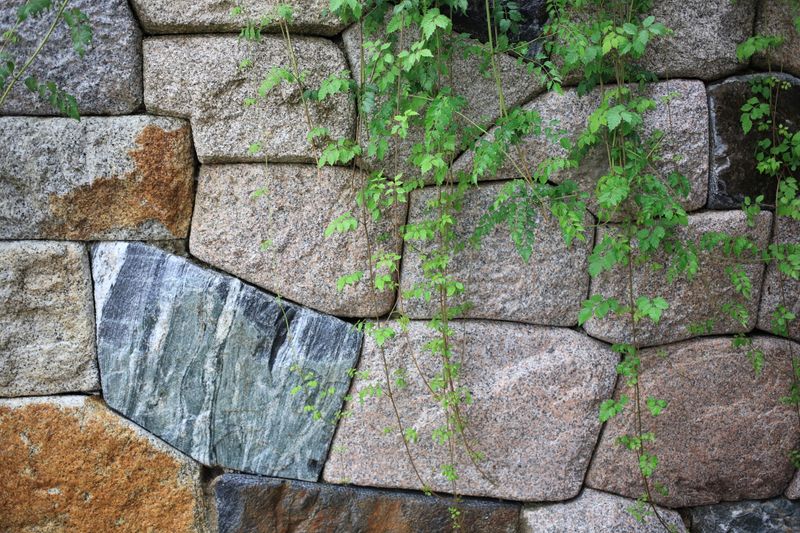
Most natural look
Natural Stone Walls
Fieldstone, limestone, or PA bluestone. Dry-stacked for low garden walls and planters where drainage through the wall is actually a feature. Mortared for taller walls that need to hold real loads. The most landscape-friendly option, and the one that ages best.
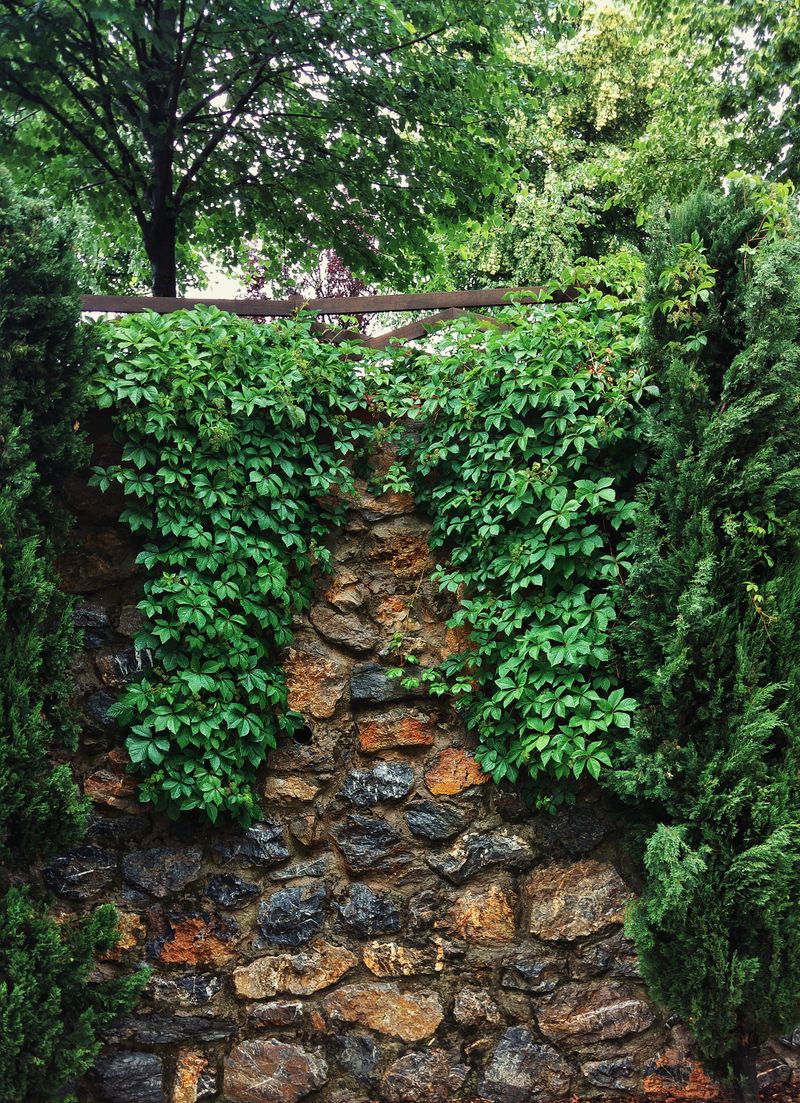
Best value, modern look
Block & Segmental Walls
Engineered modular block (Versa-Lok, Allan Block, Keystone). Fast to install, predictable cost per square foot, and structurally sound up to 4 feet without engineering. Above that we add geogrid reinforcement to keep the wall where you put it.
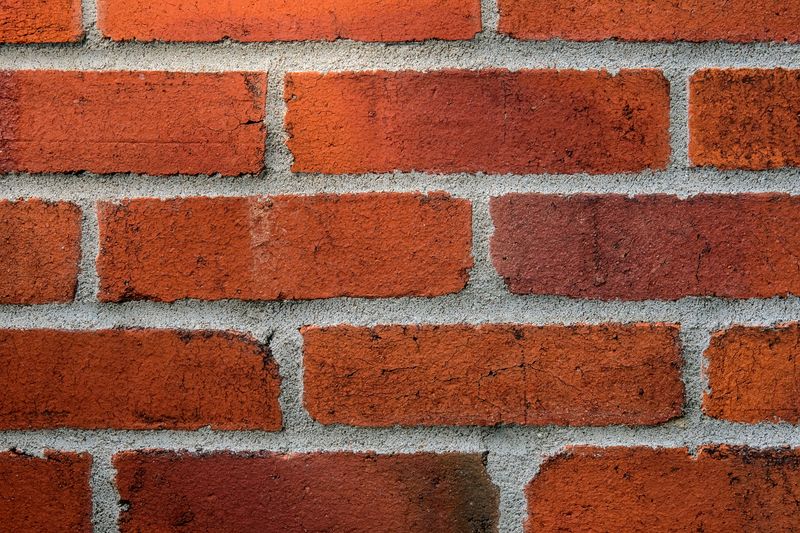
Best for older homes
Brick Walls
The right call when the rest of your property is brick, especially older York and Hanover homes. We match the brick where we can, use mortar appropriate to the era, and build with weep holes so water doesn’t get trapped behind the wall.
How We Build
The five things every retaining wall has to get right
A wall fails for one of five reasons. Our whole process is built around making sure none of them happen on your project.
01
Footing below the frost line
Pennsylvania frost depth runs about 36 inches. We dig below it. A wall set on a shallow base will heave with the first hard winter. Guaranteed.
02
Compacted base course
Several inches of crushed stone, compacted in lifts. This is the part nobody ever sees, and the part that decides whether the wall settles unevenly five years from now.
03
Drainage behind the wall
Drainage stone, geotextile fabric, and a perforated drain pipe with somewhere to go. Water pressure behind a wall is what pushes it over. We give the water an exit.
04
Geogrid where it’s needed
Walls over 4 feet, or walls holding heavy loads, get geogrid reinforcement layered into the backfill. It ties the wall into the soil mass so the whole thing moves as a unit. Or rather, doesn’t move at all.
05
Cap and finish
Capstones set flat and level. Finish course tied in cleanly. Joints tooled the way they should be. The wall should look finished, not like the crew ran out of stone halfway through.
06
Cleanup and walkthrough
We grade the disturbed area, restore landscaping where we can, and walk the finished job with you. Anything that bothers you, we fix before we leave.
Most failed retaining walls we get called to replace had no drainage and no footing. The stone or block on the front was never the problem.
LBE Masonry Crew
Where We Work
Retaining walls across York County and Adams County PA
We’re based in York and travel throughout the surrounding region. If you’re not sure whether you’re in our area, just give us a call. We’ll tell you straight.
York
Hanover
Shrewsbury
Glen Rock
Spring Grove
New Freedom
Stewartstown
Red Lion
Dallastown
Dover
Carroll Valley
Fairfield
Gettysburg
Common Questions
What homeowners ask before they hire us
It depends almost entirely on height, length, material, and how easy the site is to get to. A short decorative garden wall might run a few thousand dollars. A 4-foot structural block wall holding back a sloped backyard typically falls between $40 and $80 per square foot of wall face installed, including footings and drainage. Stone walls cost more than block. We give you a written, itemized estimate after seeing the site. No guesses over the phone.
Most municipalities in York County require a permit for walls over 4 feet, measured from the bottom of the footing to the top of the wall. Below that, requirements vary by township. We pull permits when they’re required and tell you honestly when they’re not.
A properly built wall, with proper footing, drainage, and geogrid where it’s needed, should last 40 to 75 years depending on material. Natural stone lasts the longest. Engineered block walls easily go 40 years or more. Walls fail early when shortcuts get taken on the parts you can’t see.
Sometimes. If the footing is sound and the wall is bowing because the drainage failed, we can sometimes re-excavate, fix the drainage, and rebuild the face. If the footing was never adequate to begin with, replacement is usually the right call. We’ll tell you which one applies after looking at it.
There isn’t one universal best. For low garden walls under 3 feet, dry-stack natural stone looks great and drains itself. For walls 3 to 6 feet, engineered block (Versa-Lok, Allan Block) gives the best cost-to-strength ratio. For walls over 6 feet, or walls holding significant loads, we move to mortared stone or block with full engineering. The honest answer is: the best material is the one that fits your site, soil, and budget. We walk you through that conversation in person.
Spring through fall is ideal in Pennsylvania. We can work into early winter as long as the ground is still workable and we’re not pouring footings in freezing weather. Spring books up fastest. If you want a wall by summer, the conversation should happen by February or March.
Ready to Stop Watching Your Yard Slide Downhill?
Send us a photo of the slope and a few sentences about what’s going on. We’ll give you a straight answer about the wall that fits your site. No upsell, no pressure.
Get a Free Estimate